




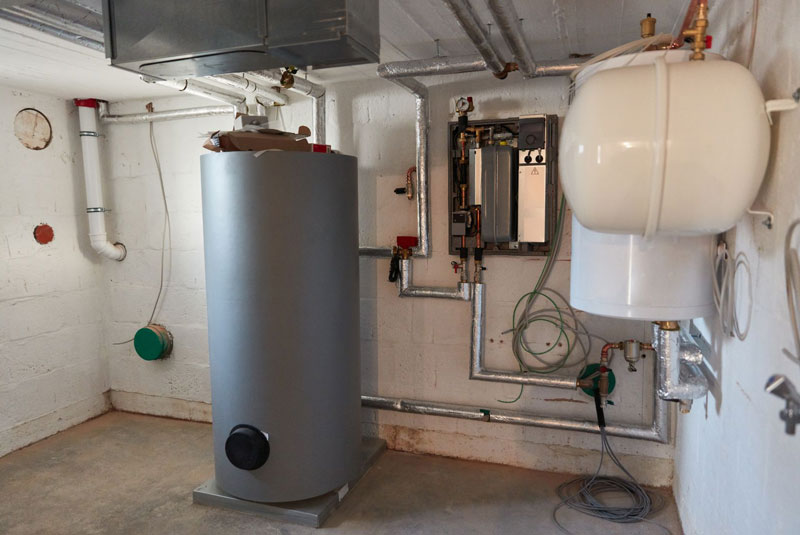
Imagine your boiler as the heart of your home—when it falters, the entire system feels the strain. In Blaine, MN, knowing how to respond to boiler emergencies can save you time, money, and discomfort. From identifying warning signs to ensuring proper maintenance, there are crucial steps every homeowner should take. Ready to investigate these important tips that could keep your home warm and safe?
Identify the Symptoms of a Boiler Malfunction
When your boiler starts acting up, there are several key symptoms you should watch for. First, listen for unusual noises like banging or gurgling, which often signal internal issues. You might as well notice inconsistent heating; if some rooms feel frigid while others are warm, that’s a red flag.
Furthermore, keep an eye on the thermostat. If it isn’t responding or showing incorrect temperatures, it could indicate a malfunction.
Another symptom is water leakage around the boiler, which can lead to more significant problems if not addressed.
Finally, if you detect a strange smell, especially gas, it’s essential to act quickly and prioritize safety.
These signs can help you identify when your boiler needs professional attention. By recognizing these symptoms early, you can prevent further damage and guarantee your home stays warm and safe.
Don’t ignore any warning signs—your comfort depends on it!
Check the Boiler Pressure
Checking the boiler pressure is crucial for ensuring your heating system operates efficiently.
If the pressure’s too low, your boiler may not function properly, while high pressure can lead to dangerous situations.
Here’s how to check your boiler pressure safely:
- Locate the Pressure Gauge: Find the gauge on your boiler to monitor the pressure reading.
- Check the Recommended Range: Most boilers operate best between 1 and 1.5 bar when cold.
- Adjust Pressure if Needed: If it’s below the recommended range, you can add water to the system using the filling loop.
- Monitor for Fluctuations: Keep an eye on the pressure during operation; it shouldn’t vary greatly.
- Consult the Manual: Always refer to your boiler’s manual for specific instructions and pressure settings.
Inspect for Leaks
When you inspect your boiler, keep an eye out for any water spots on the floor or surrounding surfaces.
These can indicate a leak that needs immediate attention.
Furthermore, monitor the pressure gauge; a drop in pressure might signal a problem worth addressing.
Check for Water Spots
While inspecting your boiler, you should keep an eye out for water spots, as these can indicate potential leaks.
Finding these spots early can save you from costly repairs down the road. Look closely at the boiler and surrounding areas for any signs of moisture or discoloration. If you spot anything unusual, it’s crucial to act quickly.
Here are some tips to help you check for water spots effectively:
- Inspect the boiler’s base and the surrounding floor.
- Check pipes and connections for dampness.
- Look for signs on walls or ceilings nearby.
- Use a flashlight to spot hidden areas.
- Keep a record of any findings for future reference.
Taking these steps can help you maintain a safe and efficient heating system!
Monitor Pressure Gauge
After checking for water spots, the next step is to monitor the pressure gauge on your boiler. This gauge provides essential information about your system’s performance. A reading that’s too low could mean there’s a leak or insufficient water, while a reading that’s too high may indicate over-pressurization, which can be dangerous.
If you notice any fluctuations or the gauge isn’t reading within the normal range, it’s time to investigate further. Look for signs of leaks around the piping and connections. Tighten any loose fittings and replace damaged components if necessary.
Don’t ignore these indicators, as they can lead to more significant issues. Keeping an eye on the pressure gauge can save you time, money, and stress in the long run.
Listen for Unusual Noises
If you notice unusual noises coming from your boiler, it’s essential to pay attention, as they can signal underlying issues. Ignoring these sounds might lead to more significant problems down the line.
Here are some common noises and what they might indicate:
- Banging: This could mean there’s air trapped in the system or loose parts.
- Hissing: A sign of a potential leak or pressure issues.
- Whistling: Often indicates a buildup of scale or debris in the pipes.
- Gurgling: Typically suggests a need for maintenance to address trapped air or low water levels.
- Popping: Might point to overheating or sediment buildup.
Being aware of these sounds can help you act quickly and prevent costly repairs.
If you’re unsure, don’t hesitate to consult a professional to diagnose the issue effectively. Your boiler’s health is essential for a comfortable home.
Reset the Boiler
When your boiler isn’t functioning properly, resetting it can often resolve minor issues quickly.
To do this, locate the reset button on your boiler—it’s usually red or yellow and easily identifiable. Before you press it, make sure to turn off the power to the unit for a few seconds. This helps clear any minor faults in the system.
Once you’ve powered it down, press the reset button and turn the power back on. Give your boiler a moment to restart and listen for any unusual sounds.
If it kicks back on with no issues, you’ve likely resolved the problem. On the other hand, if it doesn’t restart or continues to malfunction, it might indicate a deeper issue requiring professional attention.
Examine the Thermostat Settings
Have you checked your thermostat settings? Before diving into more complicated boiler issues, verify your thermostat is set correctly.
Sometimes, it’s the simplest things that cause the biggest headaches. A misconfigured thermostat can lead to inadequate heating or even a complete shutdown of your boiler system.
Here are a few steps to help you examine your thermostat settings:
- Confirm the thermostat is set to ‘Heat’ mode.
- Check the temperature setting; it should be higher than the current room temperature.
- Inspect for any programming issues if you have a programmable thermostat.
- Replace old batteries if they’re battery-operated; weak batteries can cause malfunction.
- Verify the thermostat isn’t blocked by furniture or other objects.
Taking these steps can save you from unnecessary calls to repair services and get your home warm again quickly.
Ensure Proper Ventilation
Ensuring proper ventilation is essential for your boiler’s efficiency and safety.
If you notice unusual odors, increased humidity, or strange noises, these could be signs of poor airflow.
Keeping your space well-ventilated not only supports your boiler’s performance but also helps maintain a healthy environment in your home.
Importance of Airflow
Proper airflow is crucial for your boiler’s efficiency and safety, as it directly affects combustion and heat distribution. When your boiler has adequate ventilation, it operates smoothly, resulting in lower energy costs and a longer lifespan.
Guaranteeing proper airflow helps prevent overheating and potential malfunctions, keeping your home comfortable and safe.
To maintain ideal airflow, consider the following tips:
- Regularly inspect and clean air vents and ducts.
- Keep the area around the boiler free from obstructions.
- Ascertain that flues and chimneys are clear of debris.
- Check for any signs of leaks in ductwork.
- Schedule regular professional maintenance inspections.
Following these guidelines will help guarantee your boiler runs efficiently, providing you with reliable heat when you need it most.
Signs of Poor Ventilation
How can you tell if your boiler’s ventilation is suffering? Look for a few key signs.
First, check for unusual noises, like hissing or whistling, which might indicate blocked vents. You might also notice a yellow or flickering flame instead of a steady blue flame, signaling incomplete combustion.
If you smell gas or see soot buildup around the boiler, those are serious red flags. Furthermore, if your home feels stuffy or you experience an increase in humidity, it could point to poor air circulation.
Finally, keep an eye on your energy bills; a sudden spike might mean your boiler’s working harder because of inadequate ventilation. Address these issues promptly to guarantee safety and efficiency.
Review Your Boiler’s Manual
Before diving into any emergency repairs, it’s crucial to familiarize yourself with your boiler’s manual. This document provides valuable insights that can save you time and potential hazards during a crisis. Knowing the specifics about your boiler’s model can help you troubleshoot effectively.
Here are some key points to look for in your manual:
- Safety precautions: Understand the emergency shut-off procedures.
- Troubleshooting guide: Identify common issues and their solutions.
- Maintenance tips: Learn how to keep your boiler running smoothly.
- Parts diagram: Familiarize yourself with the components for easier identification.
- Warranty information: Know what’s covered and any conditions for repairs.
Contact a Professional Technician
If you’ve reviewed your boiler’s manual and still face issues beyond your expertise, it’s time to reach out to a professional technician. Attempting to fix complex boiler problems without the right knowledge can lead to further damage or safety hazards.
A certified technician has the training and experience to diagnose issues accurately and provide effective solutions.
When you contact a professional, be prepared to explain the symptoms you’re experiencing. This information can help them assess the situation before they arrive.
Don’t hesitate to ask questions about their process, experience, and warranties on repairs.
In Blaine, MN, finding a reliable technician is vital, especially during colder months. A professional not only fixes immediate problems but can likewise identify potential future issues.
Schedule Regular Maintenance
Scheduling regular maintenance for your boiler is essential to confirm it operates efficiently and safely throughout the year.
By staying proactive, you can prevent unexpected breakdowns and extend the life of your system.
Here are five key benefits of regular maintenance:
- Improved Efficiency: A well-maintained boiler uses less energy, saving you money on your utility bills.
- Enhanced Safety: Regular checks help identify potential gas leaks or other hazards before they become serious issues.
- Extended Lifespan: Routine maintenance can add years to your boiler’s life, protecting your investment.
- Reliable Comfort: Regular servicing guarantees your home stays warm during the cold months without interruption.
- Peace of Mind: Knowing your boiler is in top shape allows you to relax and enjoy your home without worry.
Make it a priority to schedule maintenance at least once a year, and you won’t regret it!

Conclusion
By following these top 10 emergency boiler repair tips, you can tackle potential issues before they escalate. For example, a homeowner in Blaine, MN, noticed strange gurgling sounds coming from their boiler. After checking the pressure and inspecting for leaks, they found an air lock that was easily fixed by bleeding the system. Regular maintenance and awareness can save you time and money, keeping your home warm and safe during those chilly Minnesota winters. Don’t wait—stay proactive!