

Low water pressure is one of those household problems that starts as a minor annoyance and gradually becomes a real disruption to daily life. For homeowners in Saint Paul, MN, the causes can range from something as simple as a clogged aerator to more serious issues like corroded pipes or a failing pressure regulator. In our service calls throughout Saint Paul, from older homes in the Cathedral Hill neighborhood to properties near the Mississippi River bluffs, our team at O’Boys Plumbing, Heating & Air has diagnosed and resolved every variety of low pressure issue the city has to offer. Understanding what causes the problem and when to bring in a professional can save you time, money, and a lot of frustration. Our plumbing repair services are available 24/7, so help is always close when you need it.
Common Causes of Low Water Pressure
When low water pressure shows up in a Saint Paul home, there is almost always an identifiable cause behind it. The challenge is knowing where to look.
Sediment and mineral buildup inside pipes is one of the most frequent culprits, particularly in older homes. Over time, calcium and other minerals narrow the interior of pipes, restricting flow and gradually reducing pressure throughout the system. Saint Paul’s water, like much of the Twin Cities metro supply, carries enough mineral content to contribute to this over the years.
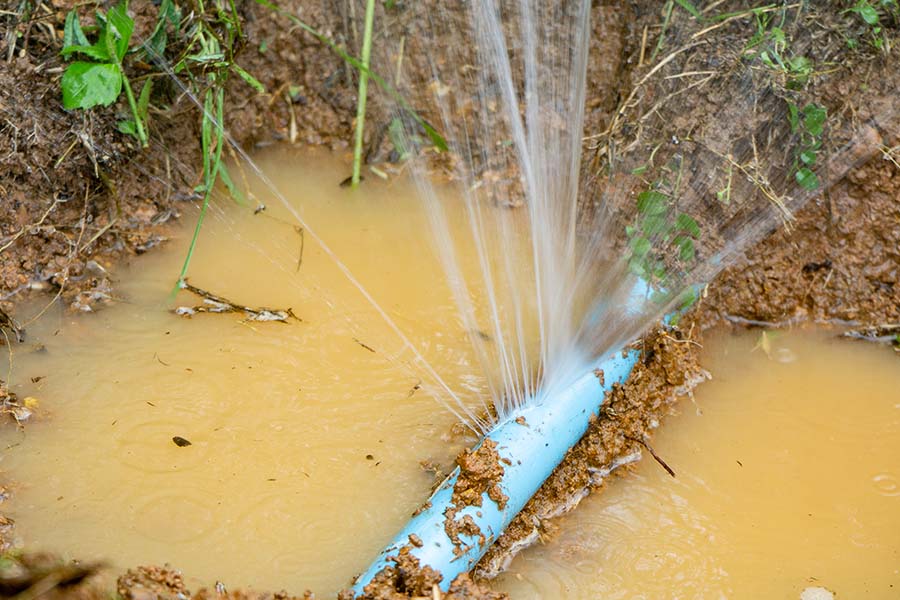
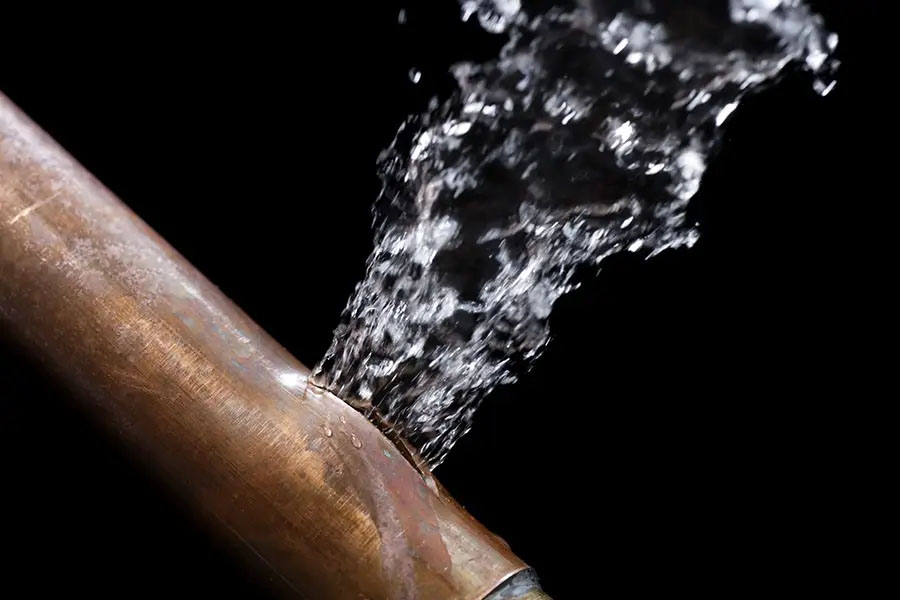
Leaks in the plumbing system are another common factor. When water is escaping through a crack or a failing joint, less of it reaches the fixtures it was meant to supply. This is one reason low pressure and unexplained water bill increases tend to appear together.
The age of the plumbing also matters. Corroded or degraded pipes found in many of Saint Paul’s older housing stock restrict flow in ways that become more pronounced over time. Municipal supply fluctuations can contribute as well, though these tend to be temporary. Finally, clogged aerators and showerheads are easy to overlook but can create a noticeable restriction at individual fixtures. A water line repair is often the right solution when reduced pressure traces back to a compromised supply line.
Simple Fixes for Low Water Pressure
Before calling a professional, there are a few straightforward checks that can help determine whether the issue is minor or something that requires expert attention.
Faucet aerators and showerheads are worth inspecting first. Mineral deposits accumulate inside these small components and can significantly restrict flow. Removing and soaking them in a descaling solution often restores normal output at the affected fixture.
The main shut-off valve is another quick item to check. It can end up partially closed following repair work or routine maintenance without the homeowner realizing it. A valve that is not fully open will reduce pressure across the entire system.
Visible leaks anywhere in the accessible plumbing are worth addressing as well, since even a small leak diverts water away from where it needs to go. Flushing the water heater is also a worthwhile step, as sediment that settles at the bottom of the tank over time can affect both hot water pressure and overall system performance.
If none of these measures produce an improvement, the problem likely lies deeper in the system and warrants professional diagnosis.
Diagnosing Low Water Pressure Issues
Effective diagnosis starts with understanding whether the pressure problem is isolated or widespread.
If only one faucet is affected, the issue is most likely localized to that fixture, pointing toward a clogged aerator, a faulty valve, or a supply line problem specific to that location. When multiple fixtures throughout the home are experiencing reduced pressure simultaneously, the problem is more likely tied to the main water line, the pressure regulator, or a leak somewhere central in the system.
Inspecting accessible pipe connections for signs of moisture or active dripping is a reasonable next step, since even small leaks can have a meaningful effect on overall pressure. Checking the main shut-off valve to confirm it is fully open rules out one of the simpler explanations.
Testing pressure with a gauge gives a concrete measurement to work from. Residential systems generally perform well in the 40 to 60 psi range. Readings significantly below that threshold confirm a real pressure deficiency rather than a perception issue. Scheduling a plumbing inspection with a qualified technician is the most reliable way to get an accurate diagnosis when the cause is not immediately obvious.
When Should You Call a Pro for Low Water Pressure?
Some pressure issues respond to basic maintenance, but others are clear signals that professional intervention is needed.
Persistent low pressure that does not improve after simple fixes is a strong indicator that something more significant is going on. Strange noises in the pipes, water discoloration, or pressure problems affecting multiple fixtures at once all point toward deeper systemic issues that go beyond what homeowners can address on their own.
A suspected leak is one of the most important reasons to call a professional promptly. Undetected leaks cause water damage that spreads through walls, floors, and structural materials over time, and the longer they go unaddressed the more expensive the consequences become. Mold growth is another downstream risk of prolonged moisture exposure.
A sudden pressure drop without any obvious explanation is also worth taking seriously. Based on what we see in Saint Paul, MN properties, these abrupt changes often indicate a pipe failure or a pressure regulator that has stopped functioning correctly. Our team at O’Boys Plumbing, Heating & Air is equipped to diagnose and resolve these issues efficiently, including full water leak detection and repair to make sure nothing is hiding behind the walls.
Preventative Measures for Maintaining Good Water Pressure
Keeping water pressure consistent over time comes down to staying ahead of the issues most likely to cause it to drop. A few routine habits go a long way.
Checking faucets and showerheads regularly for mineral buildup and cleaning or replacing them as needed keeps flow consistent at the fixture level. Periodic inspection of accessible pipes for signs of corrosion or minor leaks catches problems while they are still manageable.
Scheduling routine maintenance for the water heater and plumbing system gives a professional the opportunity to identify developing issues before they affect performance. Monitoring the pressure-reducing valve to confirm it is set correctly is another component of a solid maintenance routine.
Being mindful of running multiple high-demand fixtures simultaneously, particularly during peak morning and evening hours, reduces stress on the system. In homes where hard water is an issue, a water softener installation can prevent the mineral buildup that gradually narrows pipes and degrades fixtures over time, making it one of the more impactful long-term investments a Saint Paul homeowner can make for their plumbing system.
Keeping the Water Flowing in Your Saint Paul Home
Low water pressure has a way of pointing toward underlying plumbing issues that only get more complicated with time. Whether the cause turns out to be minor or something that requires more involved repair work, addressing it promptly protects your home and your comfort.
At O’Boys Plumbing, Heating & Air, we bring the local experience and technical expertise that Saint Paul homeowners can rely on, with service available around the clock every day of the week. If low water pressure has become a persistent problem in your home, do not let it linger. Contact our team today to schedule a plumbing assessment and get your system back to where it should be.