

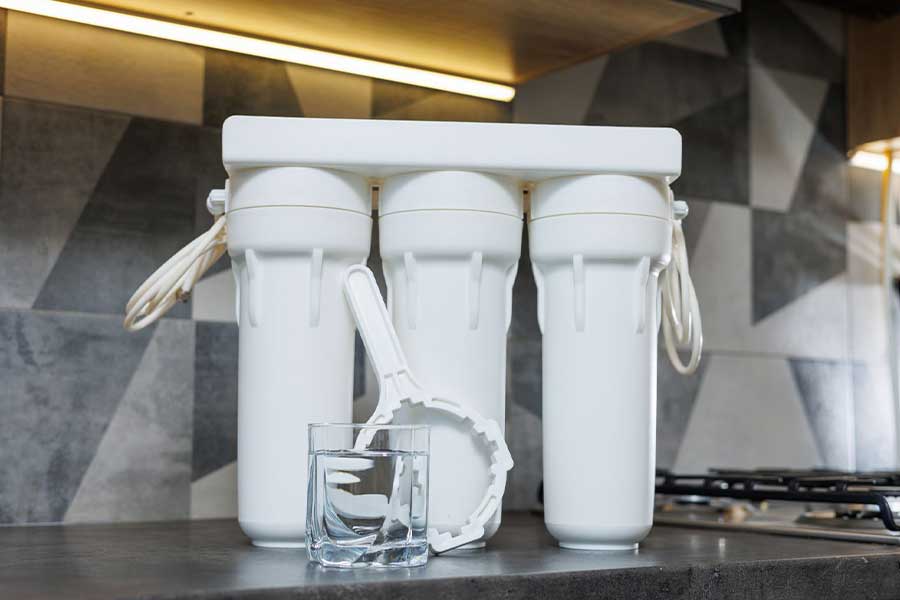
Key Points
- Blaine’s municipal water may contain chlorine, sediment, and trace minerals that affect taste and health
- Multiple filtration technologies exist — the right one depends on your home’s water quality and plumbing
- Whole-house systems protect every fixture, not just your drinking tap
- Professional installation ensures proper sizing, flow rate, and long-term performance
- A licensed plumber can recommend the best system based on your specific water conditions
Clean, safe drinking water is a priority for every household in Blaine, MN — and the good news is that eco-friendly filtration options have never been more accessible. Whether your home is near the Rice Creek watershed or in a newer development off Highway 65, local water conditions vary enough that a one-size-fits-all approach rarely works. According to the EPA’s drinking water standards, public water systems can still carry trace levels of chlorine, heavy metals, and other regulated contaminants that home filtration can address effectively.
Working in homes throughout Blaine, our team regularly sees the difference that proper water filtration installation makes — cleaner water, longer-lasting appliances, and fewer plumbing complaints. This guide covers the most practical filtration options available and helps you understand which system best fits your household.
Activated Carbon Filters
Activated carbon filters are one of the most widely used filtration methods for good reason — they effectively reduce chlorine, volatile organic compounds (VOCs), and sediment while improving taste and odor. These filters work through a process called adsorption, where contaminants bond to the surface of the carbon material as water passes through.
They’re available in several configurations, including under-sink units, faucet-mounted options, and pitcher styles. A professional can assess your plumbing setup and recommend the right fit, ensuring consistent performance without the guesswork of a DIY installation.
Reverse Osmosis Systems
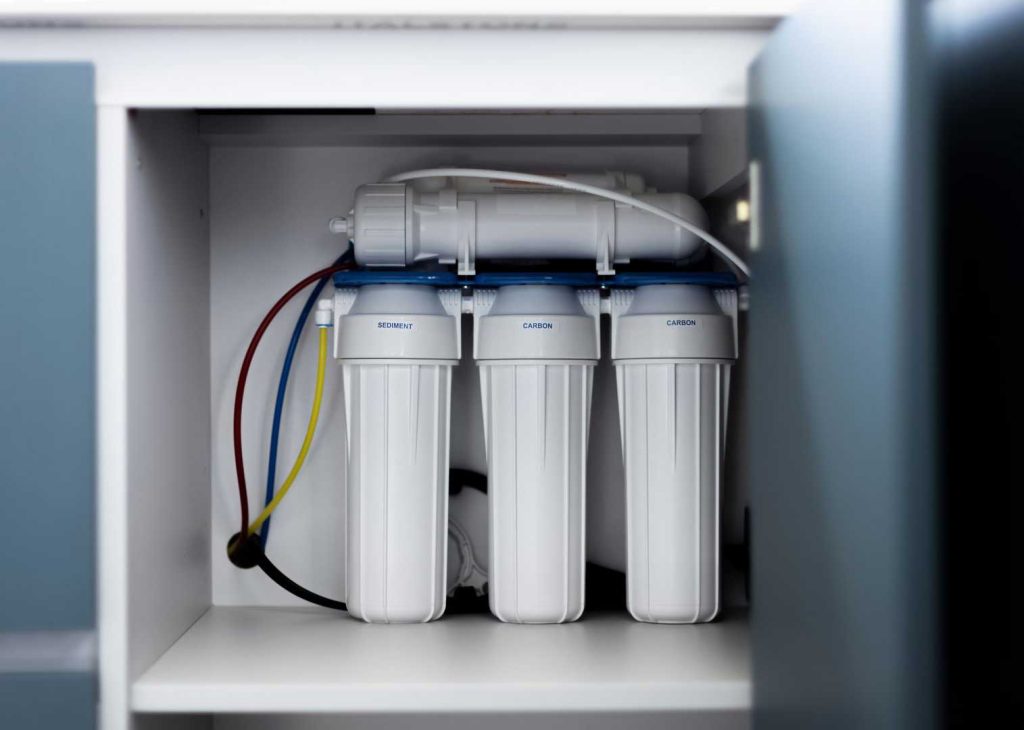
Reverse osmosis (RO) systems push water through a semi-permeable membrane that removes up to 99% of dissolved contaminants, including heavy metals, nitrates, and chlorine byproducts. In Blaine homes where water hardness or older supply lines are a concern, RO systems provide a high level of purification that most point-of-use filters can’t match.
Most units are installed under the sink with a dedicated faucet, and a licensed plumber will evaluate your home’s water pressure and plumbing compatibility before installation. Proper sizing and setup are essential — an undersized system won’t perform efficiently, and an improperly installed membrane can fail prematurely.
UV Water Purifiers
UV water purifiers use ultraviolet light to neutralize bacteria, viruses, and other pathogens without adding any chemicals to your water supply. They’re especially effective as a secondary stage when paired with a sediment or carbon pre-filter, making them a smart complement to other filtration systems rather than a standalone solution.
These systems require minimal ongoing maintenance — typically just an annual lamp replacement — and they don’t affect the taste or clarity of your water. For households with well water or any history of microbial concerns, UV purification adds a critical layer of protection.
Whole-House Filtration Systems
A whole-house filtration system treats water at the point of entry, meaning every tap, shower, and appliance in your home receives filtered water. Based on what we see in Blaine properties, this type of system has the broadest impact — reducing scale buildup in pipes, protecting water heaters, and improving water quality for bathing and cooking, not just drinking.
Many homeowners pair whole-house filtration with a water softener installation to address both sediment and mineral hardness in one solution. A professional assessment of your home’s water quality is the best starting point before selecting a system.
Ion Exchange and Water Softening
Ion exchange systems work by swapping calcium and magnesium ions — the minerals responsible for hard water — with sodium ions, effectively softening the water throughout your home. In areas of Blaine with elevated mineral content, hard water is a common issue that accelerates scale buildup in pipes and reduces the lifespan of water-using appliances.
These systems require periodic salt replenishment to regenerate the resin bed, which is straightforward to manage with professional guidance. According to the U.S. Geological Survey, hard water affects a significant portion of U.S. households and is one of the most common reasons homeowners invest in water treatment systems.
Point-of-Use and Portable Options
Faucet-mounted filters, gravity-based systems, and biodegradable filter pitchers all serve a purpose as supplemental or temporary filtration options. These are practical for renters, households on a budget, or as a short-term fix while a permanent system is being planned and installed.
That said, these options work best as complements to a broader filtration strategy rather than a primary solution. A plumbing inspection can help identify whether your home would benefit more from a point-of-use upgrade or a whole-house approach.
Finding the Right Water Filtration System for Your Blaine Home
The right filtration system depends on your water source, plumbing condition, household size, and specific contaminant concerns. What works well for a newer home in the Northbrook area may not be the best fit for an older property closer to downtown Blaine — and that’s exactly why professional guidance matters before making an investment.
If you’re ready to improve your home’s water quality with an eco-friendly, long-lasting solution, contact our team today to schedule a water filtration consultation.
Frequently Asked Questions
What’s the best water filtration system for a home in Blaine, MN?
It depends on your water quality. Whole-house systems offer the broadest coverage, while under-sink RO systems are ideal for drinking water purity. A professional assessment gives you the clearest answer.
How often do water filters need to be replaced?
It varies by system. Carbon filters typically last 3 to 6 months, RO membranes 2 to 3 years, and UV lamps about 12 months. Your installer can set up a maintenance schedule.
Is Blaine’s tap water safe to drink without a filter?
Blaine’s municipal water meets regulatory standards, but filtration can remove chlorine taste, trace minerals, and other contaminants that affect flavor and long-term appliance health.
Can I install a water filtration system myself?
Some pitcher and faucet-mounted filters are designed for self-installation, but under-sink, whole-house, and RO systems require proper plumbing connections and pressure testing that a licensed plumber should handle.
Does a water softener replace a water filtration system?
No. A softener addresses hard water minerals, while a filtration system removes a broader range of contaminants. Many homes benefit from using both together.